Do You Actually Need Supplements?
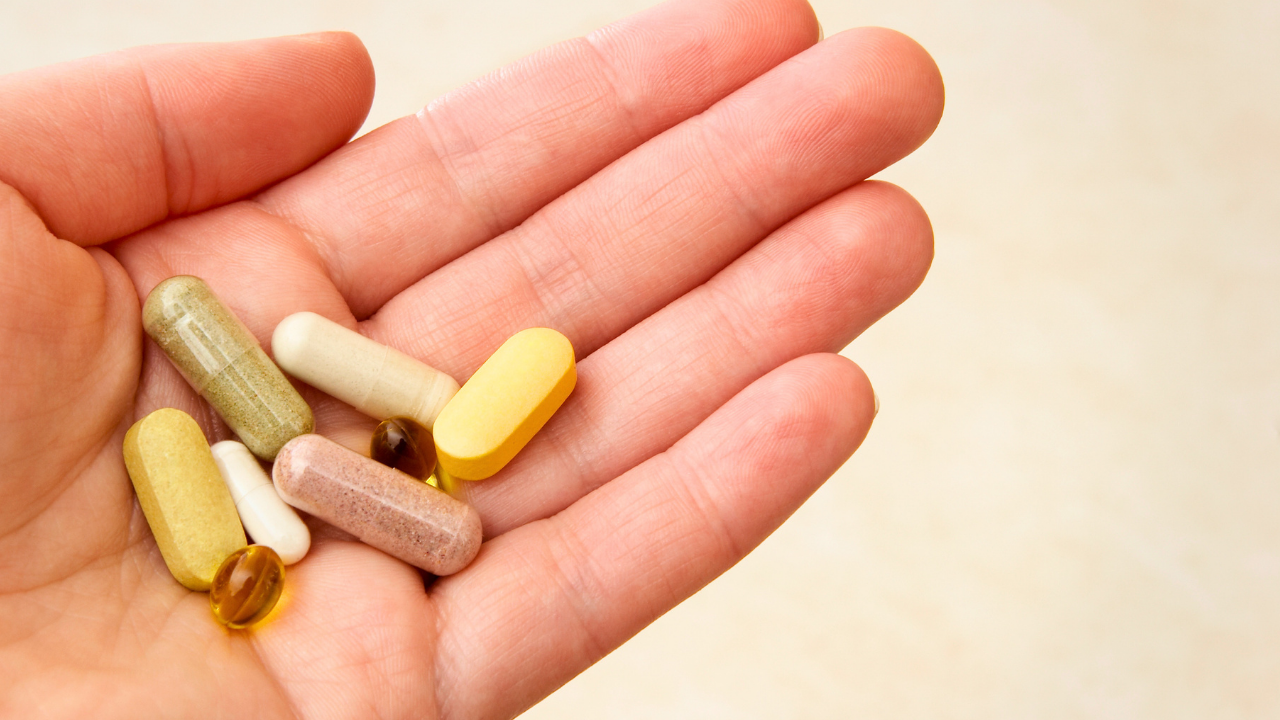
Aug 31, 2026Walk into almost any kitchen cabinet and you'll find some version of the same thing: a half-used tub of pre-workout, a fat burner that promised more than it delivered, a greens powder that got two weeks of consistent use before life happened. Supplements are a massive global industry, and most of what's sold isn't backed by much more than a good story and a confident label.
That doesn't mean everything on the shelf is useless. It means the burden of proof matters, and most products never have to clear it.
Why the Label Isn't Enough
Regulation looks different depending on where you live, but the pattern is similar almost everywhere: getting a supplement onto shelves is not the same as proving it does what the label says. In some countries, like the US, manufacturers don't need to prove a product works before selling it, only that it's reasonably safe. In others, like the Philippines, supplements need to go through a registration process with the FDA before they reach the shelf, covering things like ingredients, safety, and manufacturing standards. But even where registration is required, it's generally about quality control, not proof that the specific claim on the front of the bottle happens the way it's marketed. Wherever you are, "approved for sale" and "proven to work the way it's marketed" are two different things, and it's worth knowing which one you're actually getting. "Natural" doesn't mean regulated, and it doesn't mean studied. It just means the marketing team knows that word tests well.
What the Research Actually Supports
There are a handful of supplements with real, repeated evidence behind them, and it's a shorter list than the industry wants you to believe.
Creatine monohydrate is one of the most studied supplements in existence. A 2017 position stand from the International Society of Sports Nutrition, reviewing decades of research, found consistent support for creatine improving strength, muscle mass, and high-intensity exercise performance, with a strong safety record even with extended use (Kreider et al., 2017).
Protein supplementation has similar support, mainly as a convenience tool. A 2018 meta-analysis in the British Journal of Sports Medicine found that protein supplementation meaningfully supports muscle growth and strength gains when paired with resistance training, though the effect plateaus once you're already hitting enough protein through food (Morton et al., 2018). The powder isn't magic. It's just an easier way to hit a number you could hit with food anyway.
Vitamin D deserves more attention here than people expect, especially if you live somewhere sunny. The Philippines' 8th National Nutrition Survey (2013) found that just over half of adults measured in Metro Manila had deficient or insufficient vitamin D levels, and a separate study of Metro Manila office workers found the number closer to 58 percent. Living somewhere with sun almost every day doesn't protect you if you're indoors most of it, wearing sunscreen, or simply not getting enough direct exposure. This is one of the few cases where a supplement is filling an actual, measurable gap instead of chasing a marginal benefit.
Omega-3s have reasonable evidence for supporting cardiovascular and inflammatory markers, particularly if you don't eat fatty fish regularly (Innes & Calder, 2020). A basic multivitamin can work as a low-cost insurance policy against small gaps in an imperfect diet, though one of the largest long-term trials on multivitamin use found only modest benefits and no significant impact on major outcomes like heart disease (Gaziano et al., 2012). Insurance, not foundation, is the right way to think about it.
What's Probably Not Worth Your Money
Fat burners are the category with the weakest evidence relative to how aggressively they're marketed. Most rely on stimulants like caffeine for their effect, and reviews of individual "fat burning" ingredients, like garcinia cambogia, have repeatedly found the real-world impact on weight is negligible (Onakpoya et al., 2011). You're often paying a premium for a much smaller dose of something you could get from a cup of coffee.
Detox teas are built on a premise that doesn't hold up. Your liver and kidneys already filter and process what enters your body, continuously, without a tea's help. What people usually feel after a "detox" is a laxative or diuretic effect, not an actual reduction in toxins.
Supplements Are Supposed to Supplement
This is the part that gets lost. A supplement is only ever meant to fill a gap next to something that's already there. If the basics aren't in place, protein intake, consistent sleep, resistance training, and eating enough real food, no product fixes that. You can't out-supplement a diet that's missing the fundamentals, and no amount of stacking gets you there faster than those four things will.
It's worth saying that some people take the search for results even further. Peptides are one example that's come up more in fitness circles lately. They don't carry the years of research or the level of regulatory oversight that something like creatine does, which means it's harder to know exactly what you're getting or how well it's actually been tested. That's not the same as saying they're bad, or that nobody benefits from them. Some people genuinely do, in the right circumstances, under the right guidance. It's more that peptides are a good example of how far people will go chasing results before the basics are locked in, and how much less certainty there is once you step outside the well-researched stuff.
That's exactly why the next step matters. If you're considering adding anything new to your routine, whether it's a well-studied basic or something further out like peptides, talk to a doctor or another qualified medical professional first. Supplements can interact with medications, affect existing conditions, and vary widely in quality between brands and markets. A five-minute conversation before you start is a lot cheaper than finding out the hard way.
Where This Leaves You
You don't need a cabinet full of promises. You need protein, sleep, training, and real food in place first, a small handful of supplements with actual evidence behind them if you choose to add any, and a conversation with someone qualified before you do. Everything else is optional, and most of it isn't doing what the label says.
If you want a plan built on what actually works instead of what's trending, start with a Wellness Audit.
Frank Madore is the co-founder of ThriveLife, helping parents build sustainable strength, nutrition, and energy without the burnout. Find more at @coachfrank.thrivewellness.
The ThriveLife Parent Wellness Audit is live.
A free 5-minute tool that shows you exactly where you're leaking energy as a parent — and what's actually worth fixing first.
Six pillars. Honest scoring. No generic advice. Just a clear picture of where you actually are and a specific direction forward. Takes 5 minutes. Free.