Intermittent Fasting: What It Does and Doesn't Do For You
Sep 14, 2026Intermittent fasting gets talked about like it's either a metabolic miracle or complete nonsense, depending on which corner of the internet you're in. Neither is true. Let's cut the crap on what it actually does.
It's a tool for managing when you eat. It's not a shortcut around what or how much.
What IF Actually Is
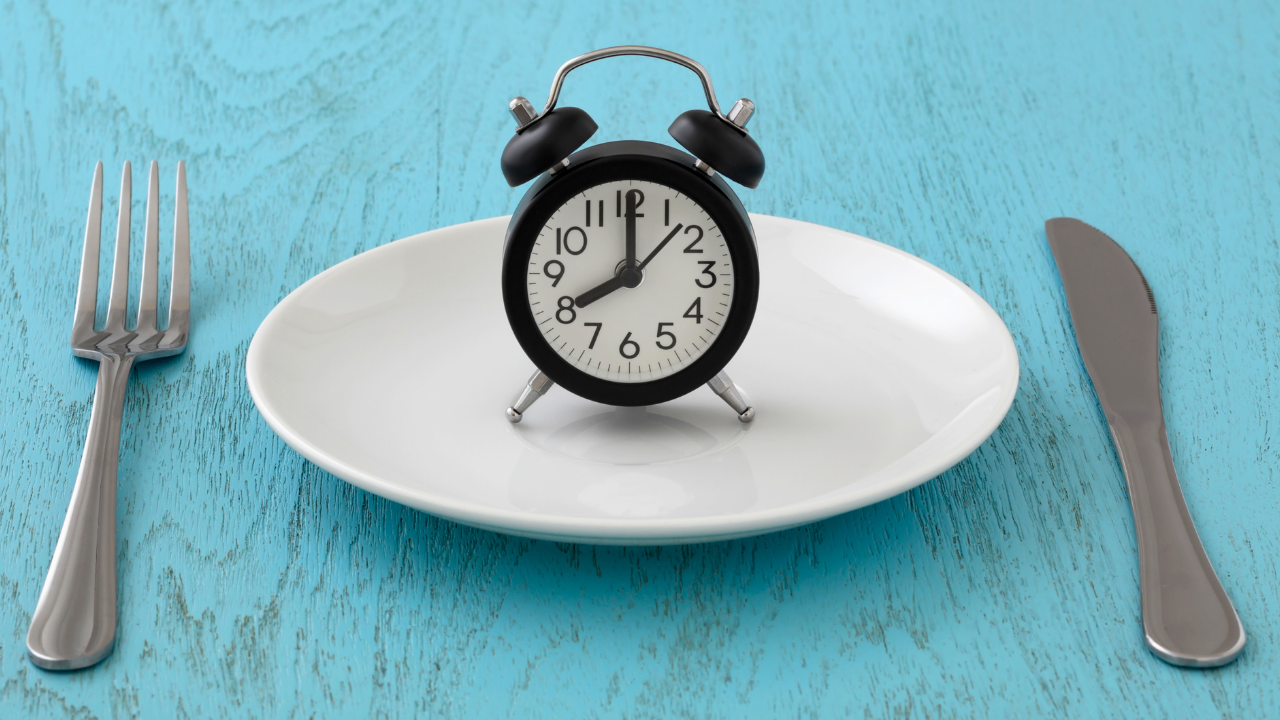
Time-restricted eating windows. 16:8, 18:6, whatever the protocol, it's not a specific diet, it's a schedule. What you eat inside that window still matters just as much as it always did.
What the Research Actually Supports
For some people, a shorter eating window naturally reduces total calorie intake, simply because there's less time to eat. It may support insulin sensitivity for some, one trial found early time-restricted eating improved insulin sensitivity and blood pressure in men with prediabetes, even without weight loss (Sutton et al., 2018, Cell Metabolism). And it's genuinely convenient for people who don't love eating breakfast anyway. Beyond that, there's no metabolic magic, calories and protein still matter most.
What It Doesn't Do
It doesn't "detox" anything. It doesn't uniquely burn fat compared to matched calorie intake, a large randomized trial found time-restricted eating produced similar weight and fat loss to regular meal timing when calories were matched (Lowe et al., 2020, JAMA Internal Medicine). It isn't necessary for building muscle or improving health. And for people prone to overeating once the window opens, or with a history of disordered eating patterns, it can genuinely backfire.
Who It Might Actually Help vs. Who It Might Not
If you genuinely find it easier to stick to fewer, larger meals, IF can be a useful structure. If you train multiple times a day or need consistent energy throughout, or have any history of disordered eating, it's probably not the right tool for you.
Who Should Be Extra Careful With IF
IF isn't neutral for everyone, and some groups should approach it carefully, ideally with medical guidance. People with diabetes or other blood sugar conditions, especially those on insulin or glucose-lowering medication, can face real risks from extended fasting windows, including dangerous drops in blood sugar, and shouldn't change eating patterns without talking to their provider first. The research on IF is also overwhelmingly based on male subjects. A 2022 review of human trials found that intermittent fasting can affect reproductive hormones differently in women than in men, and that women, particularly those managing PCOS, perimenopause, or other hormonal shifts, may respond less predictably to fasting protocols than the general research would suggest (Cienfuegos et al., 2022, Nutrients). That doesn't mean IF is off the table if you're in one of these groups. It means the research is thinner, the stakes are higher, and this is exactly the kind of decision worth making with a professional instead of a podcast.
Intermittent fasting isn't a cheat code, and it isn't a scam either. It's a scheduling tool that helps some people and doesn't help others, and that's a perfectly honest answer, even if it's less exciting than either extreme.
The Deeper Side of Fasting
There's also a spiritual thread here worth naming, one that predates all of the research above by thousands of years. Fasting shows up throughout Scripture as a spiritual discipline, not just a physical one. Jesus assumed his followers would fast, saying "when you fast," not if (Matthew 6:16-18). He fasted forty days in the wilderness before he began his ministry (Matthew 4:2). Isaiah described the fast God actually wants as one paired with justice and generosity, not just going without food (Isaiah 58:6-7). In that context, fasting was never really about the food. It was about creating space, dependence, and clarity. If a season of intermittent fasting also becomes a season of prayer or reflection for you, that's not a coincidence. It's the same discipline showing up in two different forms.
Through the years we've coached many clients that came in preaching about their short eating window. As we mentioned, for some it helped regulate their schedule, and prevent them from eating sugary cereal at breakfast, because it was the quickest thing they could shovel in while rushing the kids out of the house. But I remember during the height of Crossfit, many, including myself, would wear the fasting like a badge of honor. Meanwhile we would drink beer, slam down burgers and supplements during the 4 hours we could eat. Then we would wonder why we weren't seeing the results we were after.
What you eat matters first. The choices you make are first priority over anything. Meal timing is down the line. So if you're considering IF or any other diet or dietary lifestyle change (IF, OMAD, Paleo, Keto), consult a professional to help guide you to the right one. It's not just about the results you see online, it's about what can work for you, in this season of your life.
If you want a plan built on what actually works instead of what's trending, start with a Wellness Audit.
Frank Madore is the co-founder of ThriveLife, helping parents build sustainable strength, nutrition, and energy without the burnout. Find more at @coachfrank.thrivewellness.
The ThriveLife Parent Wellness Audit is live.
A free 5-minute tool that shows you exactly where you're leaking energy as a parent — and what's actually worth fixing first.
Six pillars. Honest scoring. No generic advice. Just a clear picture of where you actually are and a specific direction forward. Takes 5 minutes. Free.