The Truth About Postpartum Hair Loss
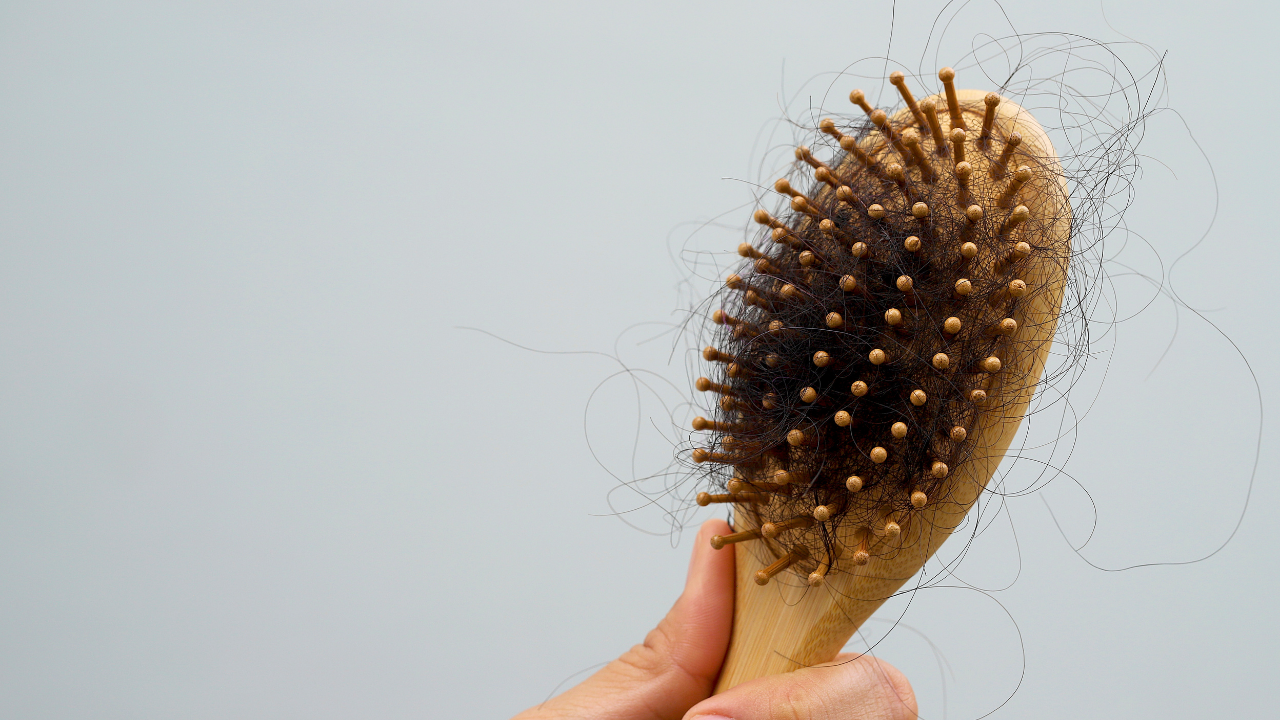
Sep 30, 2026Somewhere around three or four months postpartum, you look down at the shower drain and panic a little. Handfuls of hair, seemingly overnight. If nobody warned you this was coming, it feels like something is wrong. It isn't. It's one of the most well-documented, most under-discussed parts of postpartum recovery.
You're not going bald. Your hair is just catching up on a break it never got to take.
Why It Happens
During pregnancy, rising estrogen keeps more of your hair in its active growth phase for longer than usual, which is why pregnancy hair often feels thicker and fuller. After birth, estrogen drops sharply, and a large portion of those hairs shift into the resting and shedding phase all at once. This pattern, known as postpartum telogen effluvium, was first documented decades ago and remains the accepted explanation for postpartum shedding (Lynfield, 1960, Journal of Investigative Dermatology). You're not losing extra hair. You're shedding the hair pregnancy let you keep.
When It Typically Happens, and When It Stops
Shedding usually starts around 2 to 4 months postpartum and can continue for several months. For most women, it resolves on its own by 6 to 12 months postpartum as the hair cycle resets. It can look dramatic in the moment, especially in the shower or on a brush, but it's rarely as much total hair as it feels like.
When It's Worth Checking In With a Provider
If shedding is still heavy well past 12 months, or you're noticing other symptoms alongside it, unusual fatigue, temperature sensitivity, changes in weight or heart rate, it's worth having your provider check thyroid function and iron levels. Both are common, treatable contributors to hair changes that can overlap with the postpartum timeline but aren't caused by it.
What Actually Helps in the Meantime
There's no supplement that stops normal postpartum shedding, because it isn't a deficiency, it's a hormonal reset. A gentle approach helps more than an aggressive one: avoid tight hairstyles that add tension to already-stressed follicles, be gentle when brushing wet hair, and give your regular diet the protein and iron it needs to support the regrowth phase that follows. Beyond that, this is mostly a season to get through, not a problem to solve.
It's disorienting to watch your hair change on top of everything else changing at once. But this particular change has an expiration date, and your follicles aren't gone, they're just resetting on a schedule that was never really optional.
I actually had a bald spot in the back of my head for the first two years postpartum after Erica! If you are still in the trenches of hair loss- please know it is just a season. Making the right changes in food and hair care made all the difference for me, and it will for you too!
If you're navigating a lot of "is this normal" questions in this season, a free Symptoms and DR Check is a simple place to start figuring out where things actually stand.
Take the free Symptoms and DR Check →
Mindy Lagdameo is the co-founder of ThriveLife/Mamafit, certified in postpartum recovery, supporting moms through the parts of motherhood nobody prepares them for.
The ThriveLife Parent Wellness Audit is live.
A free 5-minute tool that shows you exactly where you're leaking energy as a parent — and what's actually worth fixing first.
Six pillars. Honest scoring. No generic advice. Just a clear picture of where you actually are and a specific direction forward. Takes 5 minutes. Free.