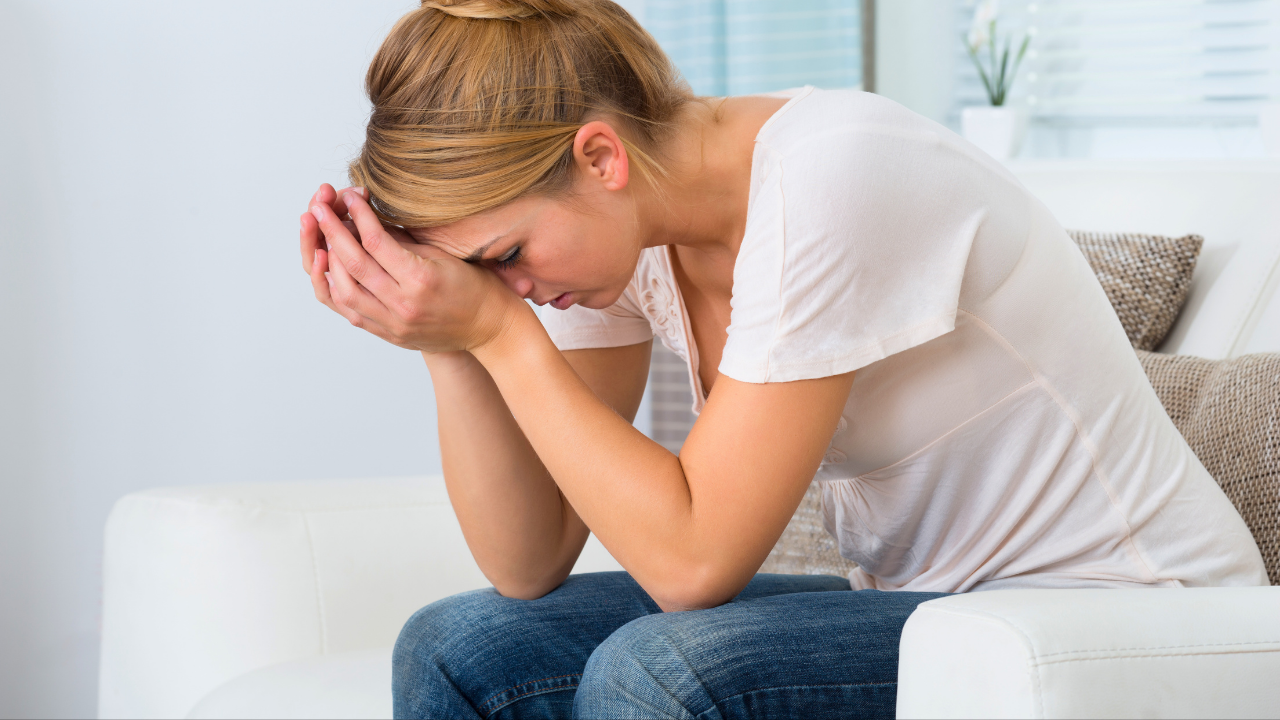
Postpartum Anxiety Doesn't Always Look Like Worry
Sep 09, 2026A mom once told me she thought she just had "control issues" after her baby was born. She wasn't constantly worrying, she just couldn't stop checking the locks, checking the monitor, re-checking things she'd already checked. Nobody had told her that was anxiety too.
Anxiety doesn't always announce itself with a racing mind. Sometimes it just rearranges your whole day.
What Postpartum Anxiety Can Actually Look Like
Intrusive thoughts about safety. Checking and re-checking behaviors. Irritability. Physical symptoms like a racing heart or nausea. Trouble being away from the baby even briefly. Trouble sleeping even when the baby is finally asleep.
Why It Gets Missed
It doesn't match the "constant worrying" picture most people have in their head. It can look like being on top of things, or a little intense, rather than struggling. And moms often minimize it themselves, because it doesn't feel like the anxiety they were warned about.
Why It Happens
Most of the time people will pass this off as postpartum hormones and say that "it will pass," but I have clients who have been living with anxiety for over 10 years before they discovered what the root cause is.
For many of us, the cause of postpartum anxiety is actually our core.
Your diaphragm is the topmost part of your core canister, beneath it is your deepest abdominal layer (transverse abdominis) and under that, your pelvic floor. Your diaphragm is the switch of your nervous system and pretty much dictates whether your body is in fight or flight mode or rest and digest mode. During pregnancy your diaphragm becomes rigid and can't properly switch you to rest and digest mode, then the craziness of postpartum just kicks your fight or flight mode into high gear and keeps you there.
What Actually Helps
From a psychological standpoint, naming the specific behaviors, not just the feeling, checking, re-checking, the intrusive thoughts. Talking to a provider, especially if it's affecting daily function or sleep even when you have the chance to rest. Nervous system regulation tools. And you don't have to wait until it feels "bad enough" to ask for help.
From a physical standpoint, assessing your core and finding whether your abdominals are separated and dysfunctional is the best first step towards restoring and rebuilding both your core and your nervous system.
You're not being dramatic, and you're not broken. Your nervous system is working overtime to protect someone you love. That's exactly why it deserves support too.
If checking in on your own body has fallen to the bottom of the list too, a free Symptoms and DR Check is a simple place to start figuring out where things actually stand.
Take the free Symptoms and DR Check →
Mindy Lagdameo is the co-founder of ThriveLife/Mamafit, certified in postpartum recovery, supporting moms through the parts of motherhood nobody prepares them for.
The ThriveLife Parent Wellness Audit is live.
A free 5-minute tool that shows you exactly where you're leaking energy as a parent — and what's actually worth fixing first.
Six pillars. Honest scoring. No generic advice. Just a clear picture of where you actually are and a specific direction forward. Takes 5 minutes. Free.